
About seven months ago, our daughter Olivia asked for a meeting with the gym owners to make a case for herself.
She had one request:
Let me into the adult CrossFit class.
She was turning 11.
Now, to be clear, this isn’t some scaled-down version of fitness fun with foam rollers and freeze pops. This is the adult class—the domain of heavy barbells, grueling WODs, and people twice (or three times) her age pushing to the edge of their limits. The class has always had a minimum age of sixteen. But Olivia had other plans.
It wasn’t just about joining the adults. It was about taking CrossFit seriously—and being taken seriously. This wasn’t a phase or a fleeting interest. Olivia was all in. She wanted to be held to the same standards, do the same work, and earn the same respect.
Honestly, I don’t think any of us expected this to stick. I mean, what 11-year-old voluntarily wakes up at 5 a.m. to get her butt handed to her in a CrossFit class—then rushes home to power through a full day of school, only to head straight into three hours of gymnastics practice every night? It sounded unsustainable, borderline wild.
But she didn’t just show up—she dominated. And she keeps showing up, day after day, like it’s the most natural thing in the world.
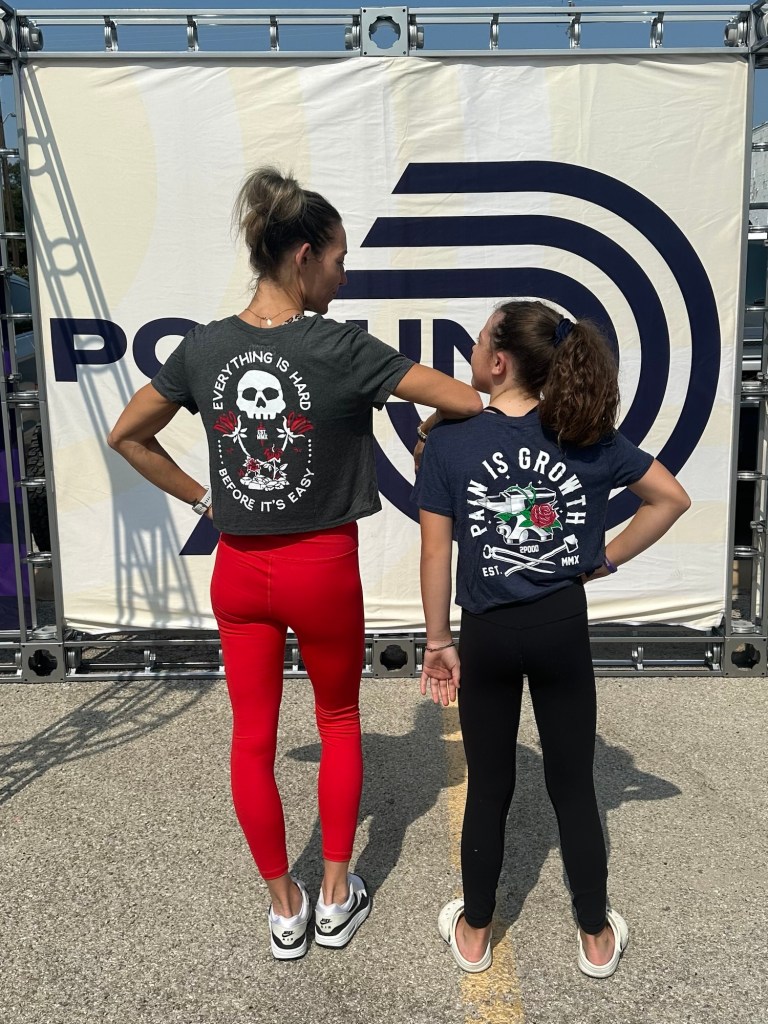
CrossFit for kids is fun. CrossFit for adults is fun—but in the “this might kill me but I’ll smile through it” kind of way. Once Olivia joined the adult class, things got real. The warmups were longer. The weights were heavier. The expectations? Way higher.
She had to learn that being the youngest meant nothing once that clock started. No one was going to slow the workout down for her. And she didn’t want them to.
She got lifting shoes. She got grips. She got serious.
But there are things they don’t tell you will happen when your kid stays consistent with CrossFit over the course of several months. It’s not just about getting stronger—it’s about the unexpected shifts in confidence, discipline, and maybe even your role as the parent.
The transformation isn’t always visible in the muscles. Sometimes, it’s the quieter, more powerful changes that show up when you least expect them.
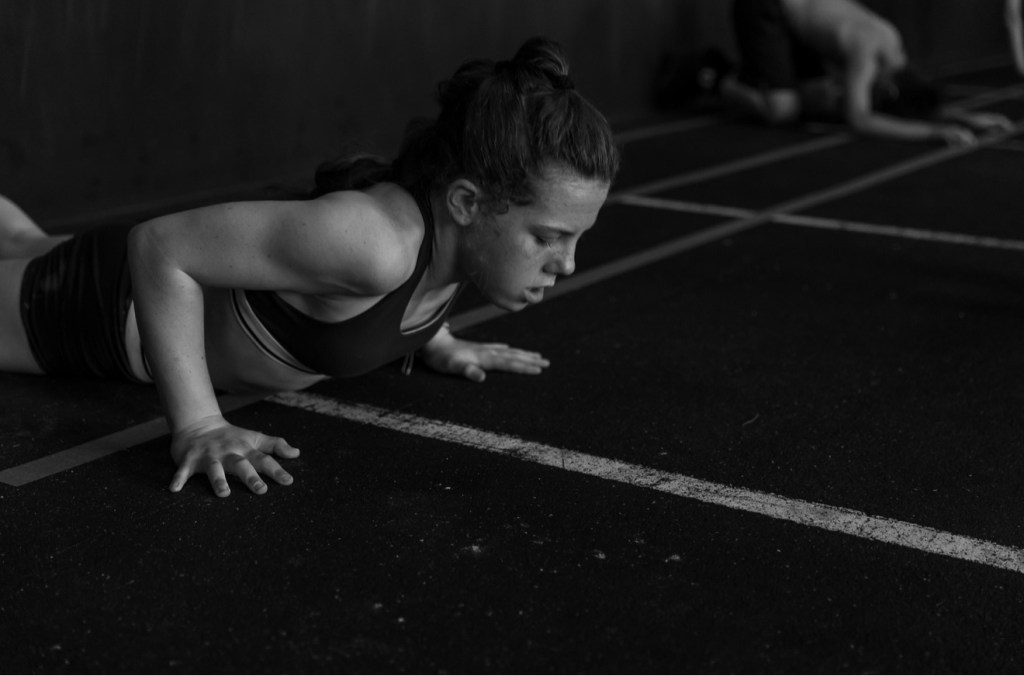
For one, she started holding herself accountable in ways I didn’t know were possible at her age. No one told me my 11-year-old would be the one reminding me of the importance in stretching before and after a workout. Or that she’d start planning her own nutrition—becoming more aware of her protein intake, choosing healthier snacks, and even asking for advice on post-workout recovery.
I mean, the new obsession is protein—and the family grocery budget is now triple what it once was. If anyone has a cow available, we’ll take two, please.
And then there’s the shift in her attitude. She doesn’t back down from hard things anymore—whether it’s a brutal CrossFit workout or standing her ground in a group setting. She’s learning how to ask for help when she needs it, but more importantly, how to take ownership of her growth. There’s a quiet confidence building in her, and I catch myself watching her walk into spaces with a sense of authority and authenticity I never expected from someone so young.
She’s learning to advocate for herself. To take feedback with grace and actually apply it. She’s starting to understand that discomfort isn’t something to avoid—it’s where the magic happens. That growth lives on the other side of hard.
CrossFit isn’t just making her stronger physically—it’s changing how she approaches life. The sweat, the struggle, the moments of doubt and discomfort —they’re all becoming part of her process. Just like in the gym, life will throw things at her that feel impossible. But now, she knows that’s where strength is built. She’s learning that the grind matters. The failures matter. The bounce-backs matter.
She’s learning that strength isn’t just about lifting heavy—it’s about lifting yourself when life gets heavy. No handouts. No shortcuts. Just heart, grit, and the courage to keep showing up.
And with that, she’s learning to embrace the grind—inside the gym and far beyond it—because now she knows: that’s exactly where the transformation happens.
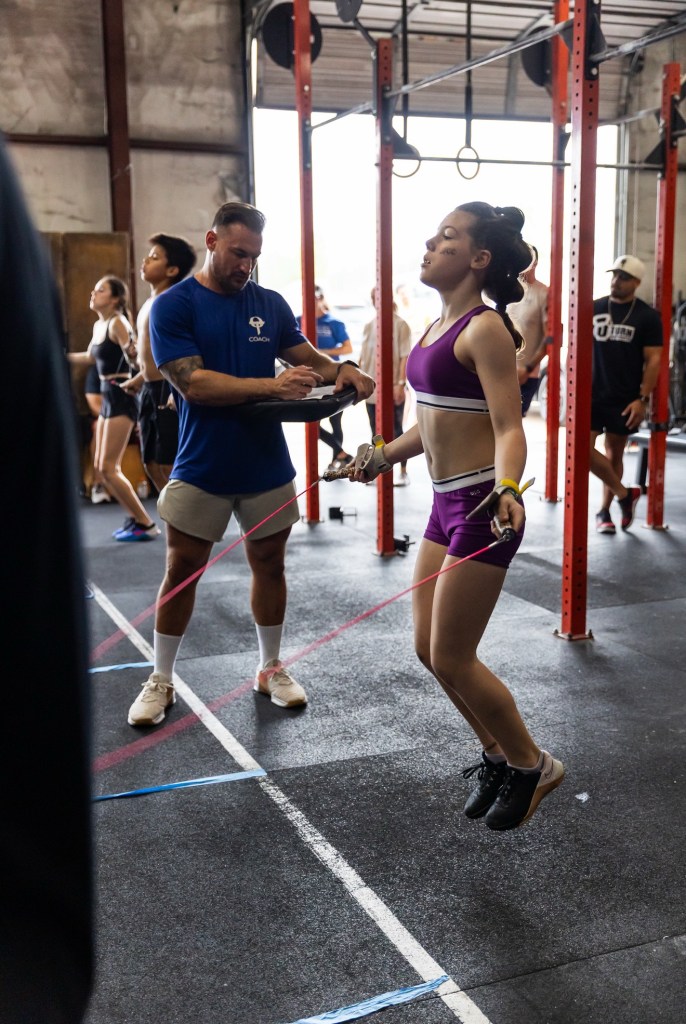
I’ll be honest—there’s a part of me that still gets nervous watching her move heavy weight around. But there’s also a huge part of me that’s in total awe. It’s a delicate balance, trying to keep the ‘mama bear’ instincts in check while still allowing her to push herself and get uncomfortable.
It’s tough knowing when to step back and let her take risks, and when to step in and protect her. Do you know what it’s like to watch your baby girl—the one who was once a 5-pound premature infant fighting for her life in the NICU—now back squat more than her own body weight? It’s a humbling thing to witness her strength, but also a constant reminder that she’s no longer that tiny, fragile baby—she’s becoming her own force.
There’s this strange duality that happens when your child starts doing big, bold, powerful things: You’re cheering with pride… and silently freaking out. Because your baby is growing up right in front of you—and doing it with more courage than most grown-ups.
I’ve had moments where every instinct told me to jump in—to adjust her stance, to shield her from the struggle, to make it easier. But I’m learning to let go. She doesn’t need me to spot her every move. What she needs is my trust. And more importantly, she needs to trust herself—to know that she’s capable, even when it’s hard, even when it’s heavy.
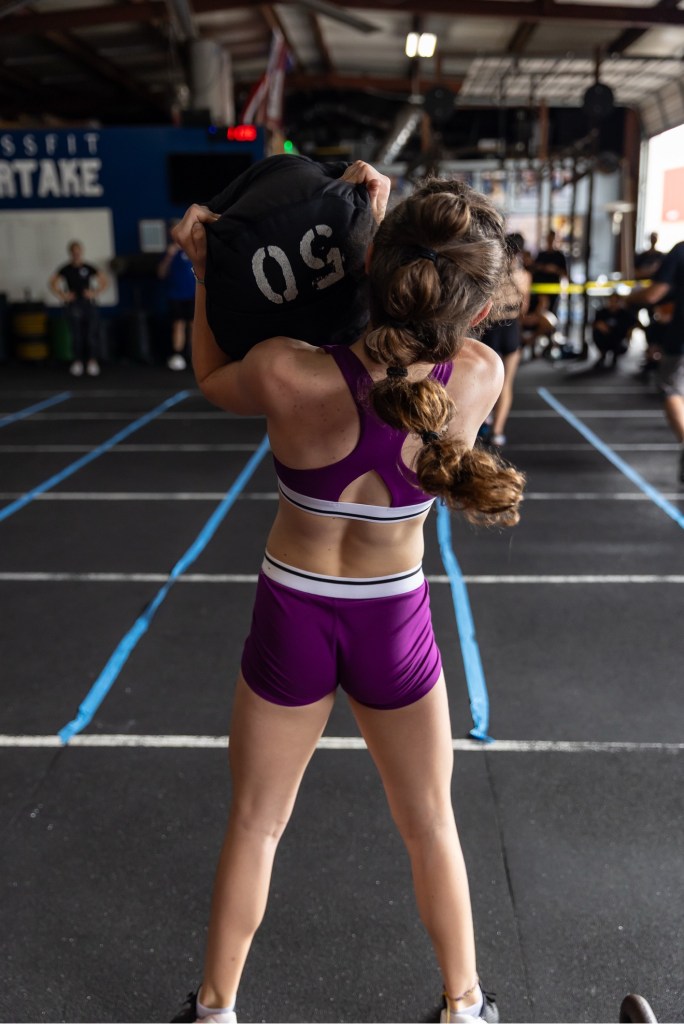
But here’s the kicker—sometimes, those changes happen in me, too. I’ve caught myself feeling more inspired by her work ethic than my own. I’ve found myself questioning my excuses when I want to hit the snooze button and skip a workout. Her commitment pushes me to stay consistent in my own fitness goals, and suddenly, I’m not just her parent—I’m her teammate.
And then there’s the whole “getting coached by my kid” part. If you’d told me a few months ago that my 11-year-old would be correcting my form in the gym, I would’ve laughed out loud. But here we are. She’s spotted me more times than I care to admit—and somehow, she’s become this unexpected little coach. Pushing me to go harder, lift heavier, and stay focused. Cheering me on louder than anyone else in the room. It’s humbling… and honestly, kind of amazing.
Want to know the true definition of humility? It’s taking handstand walking tips from someone who still uses glitter gel pens to write her name and thinks ‘cursive’ is what people do when they want to fancy-talk in writing. Yep, I’m getting schooled by a kid who needed me to wipe her butt until kindergarten. And now she’s over here correcting my handstand form like she’s some kind of CrossFit guru. Who’s the parent here, again?

There’s a lot no one told me about how this journey would unfold. Let’s just say I wasn’t prepared to budget for wrist wraps, lifting shoes, post-WOD smoothies, or hearing things like, “Do you think I should try to PR today?” before school drop-off. And maybe it’s a little weirdly prideful when she calls out a no-rep… on me! But one thing’s for sure: it’s not just her growth that’s been remarkable—it’s the way she’s shown me what true commitment and strength look like.
Letting Olivia into the adult class wasn’t just about fitness. It was about trust, responsibility, and watching her rise to the challenge.
Here’s the thing no one tells you when your kid joins CrossFit: the physical strength is great, but the emotional strength? That’s the real flex.
Olivia is walking taller these days—not just because she’s getting stronger (though she absolutely is), but because she knows she belongs in the room.
She speaks up more. She’s grounded, confident, and learning how to handle setbacks. She listens to her coaches, trusts her instincts, and has no reservations about taking up space. She’s learning that strength isn’t loud—it’s consistent. That effort matters more than talent. That being the smallest person in the room doesn’t mean you’re not one of the strongest.
And as her mom, I’m learning right alongside her. Because while CrossFit is tough, raising a daughter who believes in herself enough to ask for more—and then shows up, day in and day out, to work for it—is the real challenge. And the ultimate reward.
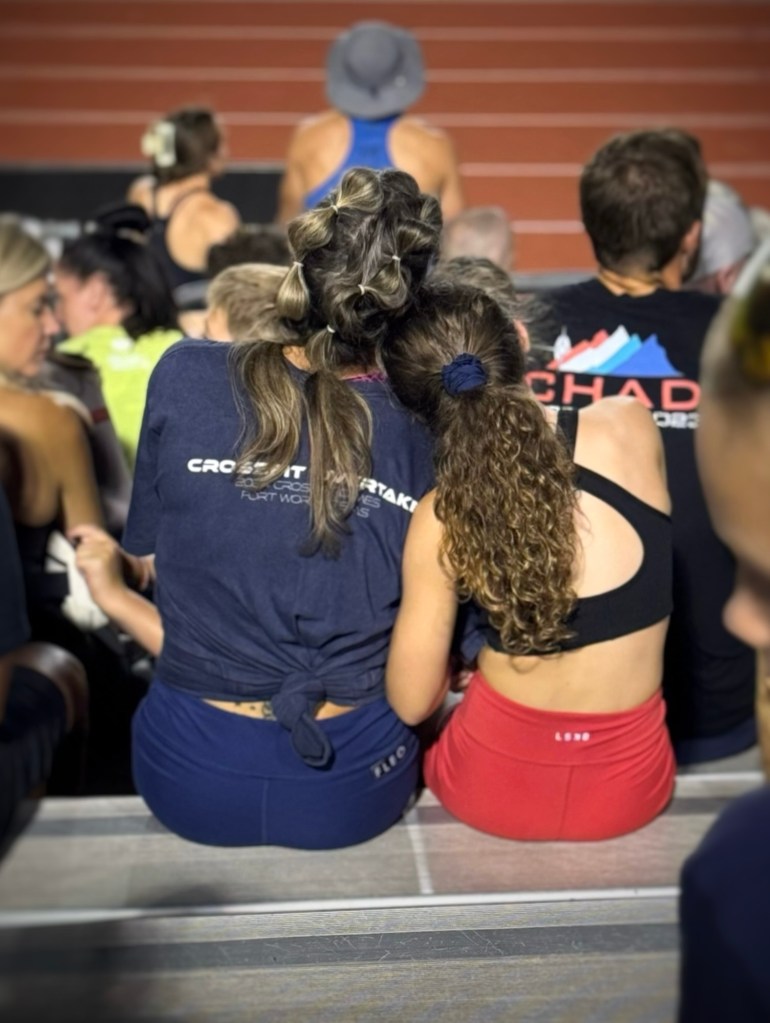
What started as a bold birthday wish has turned into one of the most unexpected gifts of parenting: watching our daughter discover her true power.
CrossFit is hard. It’s humbling. And for Olivia, it’s home. She’s not doing it for attention. She’s not chasing medals. She’s simply showing up, grinding it out, and learning who she is, one rep at a time.
And me? I’m just here, sweaty and proud, trying to keep up with my 11-year-old—and loving every second of it.
So yea, our 11-year-old joined the grind. And honestly, it’s one of the best decisions we’ve ever made.
What no one tells you when your kid joins CrossFit? The biceps are cute, sure—but the real flex is the grit. They learn how to show up when it sucks, push through when it burns, and keep going long after comfort taps out. It’s not just strength—it’s a resilience that can never be taken away.

Leave a comment