
Back-to-school season hits like a storm. One minute you’re soaking up late summer nights and lingering slow mornings, and the next you’re thrown into early alarms, half-eaten packed lunches, math worksheets, and a calendar that seems to multiply overnight.
If you’ve ever found yourself whispering, “There has to be an easier way,” you’re not the only one. The transition from summer freedom to school structure can feel like pure whiplash. Kids push back against new routines, moms scramble to balance shifting demands, and mornings can feel less like a fresh start and more like a battle for survival.
That’s exactly why I put together a simple roadmap—to help both moms and kids ease into the school year with less stress, more connection, and a whole lot more peace.
Think of it as your go-to guide for Stress-Free Back-to-School Routines: practical tips and doable rhythms that keep everyone on track—and even manage to bring a few smiles along the way.
Build Rhythms That Work for Your Family
One of the best ways to make the back-to-school transition easier is to start easing into routines before the first day. Begin adjusting bedtimes and wake-up times a week or two in advance so those early mornings don’t come as a total shock. You can also layer in simple rituals, like evening reading or a set time for chores, to gently reintroduce structure without overwhelming your kids.
And don’t underestimate the power of preparation. Laying out clothes, packing lunches, and organizing backpacks the night before can turn chaotic mornings into smoother, calmer starts. These small steps may not erase every hiccup, but they create space for connection instead of conflict.
The goal isn’t perfection—it’s finding rhythms that fit your family. Every household looks different, and that’s okay. What matters most is building routines that support you, not stress you.
Creating Calm, Connected Mornings
Mornings aren’t just about getting out the door—they set the emotional tone for everything that follows. When the day begins in chaos, that stress often lingers long past drop-off. But when mornings feel calm and connected, everyone carries that energy with them.
Start by protecting your own morning. Even 10 minutes with a quiet cup of coffee, a devotional, or a quick journal entry can ground you before the whirlwind begins. Build in buffer time, too—because let’s be honest, at least one hiccup is guaranteed (a missing shoe, a meltdown, or both). Planning for it means you won’t unravel when it happens.
Instead of slipping into “drill sergeant” mode, try shifting from commanding to coaching. Checklists, visual reminders, or gentle prompts can empower kids to take ownership without constant nagging. And don’t forget to add moments of connection: a cuddle wake-up, a goofy breakfast conversation, or a simple goodbye ritual at the door.
At the end of the day, your kids won’t remember if you left the house at 7:32 or 7:37. What they’ll carry with them is how they felt—loved, supported, and safe to start their day.
Simplifying Lunches and Homework Without the Meltdowns
By week three of the school year, most moms are already over it—packing lunches has lost its novelty, and the homework battles are in full swing. But a few simple systems can take the edge off and bring back a sense of calm.
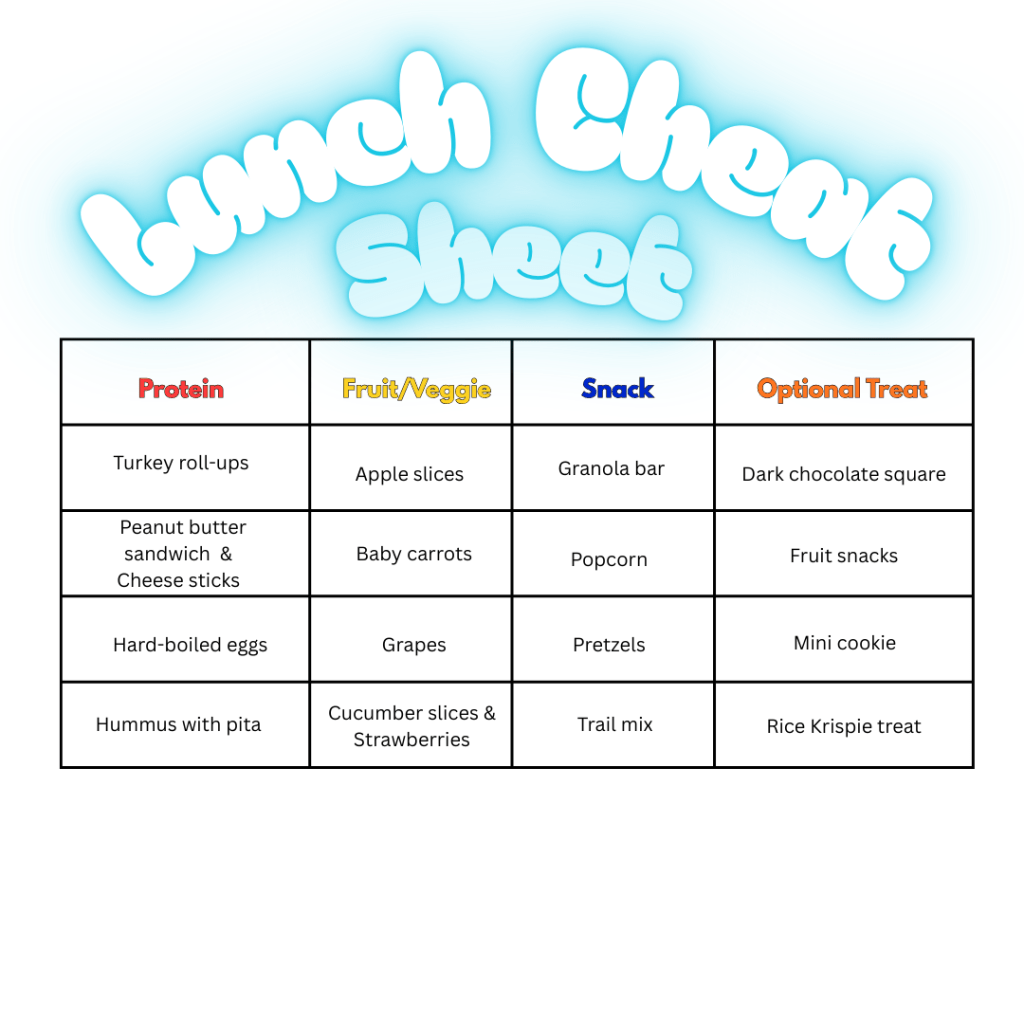
Lunches made easy: Instead of stressing over creative, Pinterest-worthy meals, stick to a simple formula: 1 protein + 1 fruit/veggie + 1 snack + 1 optional treat. Set up bins in the fridge and pantry so kids can grab their own choices within that framework. It gives them a sense of independence, saves you time, and ensures they’re fed and fueled without the overthinking. Remember—the goal is nourishment, not perfection.
Homework without the tears: A little structure goes a long way. Create a designated homework station stocked with pencils, paper, and supplies so there’s no frantic searching every evening. Build a consistent time into the daily rhythm so kids know what to expect. Use short focus blocks (15–20 minutes) with quick breaks to keep energy and attention up. Most importantly, support without hovering—guiding them builds independence and confidence.
✨ When afternoons are simplified and kids share ownership of the process, the whole house feels lighter. What used to be a daily struggle can actually become an opportunity for rhythm, responsibility, and peace.
Navigating Friendship Changes with Confidence
Childhood friendships can be a beautiful source of joy—but they can also shift and change often, sometimes leaving kids feeling hurt or left out. As a parent, it can be hard to watch, but these moments are also powerful opportunities for growth.
Start by normalizing the idea that friendships naturally change over time. Let your child know it doesn’t mean anyone did something “wrong.” Kids also need reminders to avoid all-or-nothing thinking—having more than one friend is not only okay, it’s healthy.
You can even practice together: role-play how to join a group, start a conversation, or invite someone new to play. These small confidence-building exercises give kids the social tools they need when you’re not there to help guide them.
Encourage them to branch out through clubs, sports, or activities where they’ll meet different kinds of friends. This helps prevent their whole world from revolving around one friendship and builds resilience when shifts inevitably happen.
Your role? Support from the sidelines. Be their safe space, offer guidance, and coach them through challenges—but resist the urge to take over.
✨ Every change in friendship is a chance for your child to practice courage, kindness, and adaptability. With you in their corner, they’re not just surviving these shifts—they’re growing through them.
Quick Tips:
- Remember: friendships can grow, change, and still be valuable.
- Try joining in with a smile or asking, “Can I play too?”
- It’s okay to have more than one friend—you don’t have to choose.
- If someone says no, it doesn’t mean you’re not likable—just try again with someone else.
Affirmations to Repeat:
- “I can make new friends.”
- “I am kind, fun, and worth knowing.”
- “One no doesn’t stop me from trying again.”
- “I can enjoy time with lots of different friends.”
When School Doesn’t Feel Like “Their Place”
The truth is, not every child loves school—and that’s okay. For some kids, the classroom feels overwhelming, friendships feel tricky, or the whole environment just doesn’t click. As a parent, it can be tough to see your child struggling in a place they spend so much time.
The first step is understanding the why. Instead of yes-or-no questions, ask open-ended ones like, “What was the hardest part of today?” or “When did you feel happiest?” These conversations help uncover whether the stress is about academics, friendships, or simply the pace of the day.
From there, partner with teachers. They see your child in a different light and can offer insight or strategies you may not have noticed. Together, you can brainstorm solutions that support your child both academically and emotionally.
Practical comfort anchors can also make a huge difference. A small note tucked in a lunchbox, a bracelet they can touch during the day, or a simple morning mantra can provide steady reassurance. Beyond school, build joy into their world through sports, hobbies, or family rituals—reminding them that their identity is so much bigger than school performance.
And don’t forget to teach coping tools: deep breathing, visualization, and positive self-talk aren’t just “extras”—they’re skills that empower kids to navigate stress for a lifetime.
✨ Even if school never becomes their favorite place, home can always be their safe place—the one they return to for comfort, connection, and unconditional love.
Comfort Anchor Ideas for Kids
- Lunchbox note – A quick “You’ve got this!” or doodle on a sticky note.
- Bracelet or bead – Something simple they can touch when they need reassurance.
- Morning mantra – A short phrase you say together before drop-off (“I am brave. I can do hard things.”).
- Photo keychain – A family picture clipped to their backpack.
- Scented lotion – A dab on their hand or wrist that smells like home.
- Pocket token – A smooth rock, charm, or coin you give them for “strength.”
- Shared ritual – A special handshake, hug, or high-five before school.
- Favorite pen or pencil – School supplies that feel like “theirs.”
- Tiny notebook – For doodling, jotting thoughts, or practicing affirmations.
- Playlist ritual – Listening to the same song every morning on the way to school.
The Mom Reset: Protecting Your Peace in the School Season
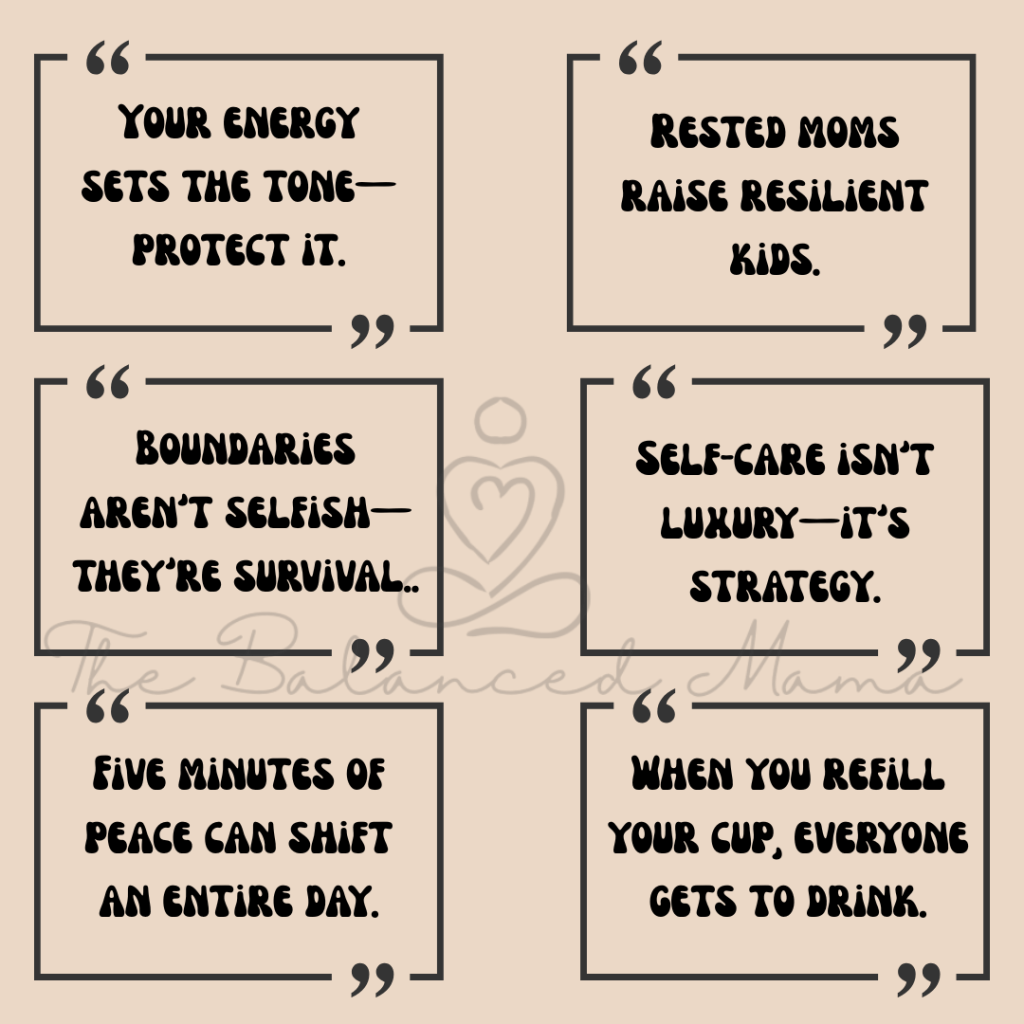
While so much of the school season revolves around our kids, your well-being matters just as much. Let’s shift the focus back to you. We’ve been told it time and time again: you can’t pour from an empty cup. When your energy is depleted, the whole household feels it. Protecting your peace isn’t selfish—it’s essential.
Start by naming your non-negotiables each week. Maybe it’s enjoying your coffee in silence before the house wakes up, squeezing in a workout, or taking a walk outside to clear your head. These are the anchors that keep you grounded, so treat them like appointments you don’t cancel.
Learn to say “no” without overexplaining. Protecting your bandwidth means being honest about what you can realistically manage. Every “yes” to something draining is a “no” to your own well-being.
Look for micro-moments of self-care woven into your everyday routine. A few deep breaths at a red light, turning up your favorite playlist while cooking dinner, or stepping outside for five minutes of fresh air can reset your mood more than you think.
And remember—you don’t have to carry it all. Delegate whenever possible. Partners, kids, carpools, even grocery delivery—sharing the load is not a weakness; it’s wisdom.
Most importantly, reframe the way you view “me time.” It’s not indulgence—it’s fuel. When you’re rested, centered, and cared for, you show up better for everyone else.
✨ Your peace matters. Guarding it isn’t an act of selfishness—it’s a strategy for keeping your whole family running strong.
Wrapping It All Together: Your School Year, Your Way
Mama, the back-to-school season doesn’t have to feel like chaos on repeat. Yes, there will still be messy mornings, forgotten permission slips, and the occasional meltdown—but with a few intentional shifts in routines, mindset, and connection, you can create a rhythm that truly supports your family. One that leaves space not just for to-do lists, but also for peace, joy, and growth.
Remember, you don’t need to do it all or do it perfectly. Progress comes from small, steady steps—choosing rhythms that work for your family, protecting your own peace, and modeling resilience for your kids along the way. That’s what builds a school year that feels strong and sustainable.
And mama, you don’t have to figure it all out by yourself. 💌 When you subscribe to my newsletter, you’ll get access to free resources like the Routine Builder Cheat Sheet, the Morning Reset Checklist, and monthly activity calendars—all created to make your school year feel smoother, lighter, and more connected.
And if you’re craving even more encouragement and real talk, don’t forget to subscribe to my podcast, Mama, Let’s Talk on Apple Podcasts and Spotify.
✨ You’ve got this, mama. One small shift at a time.


Leave a comment